Kids safety in gated high-rise community
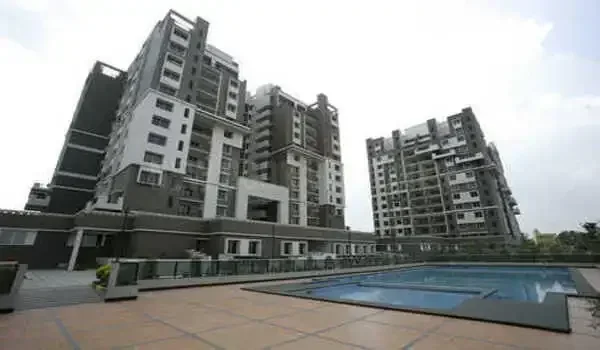
Featured Image of Kids safety in gated high-rise community


Kids' safety in a gated high-rise community means having solid 1.2-meter (48-inch) tall balcony walls and 24/7 security gates that stop falls and track every visitor. Good societies set vertical rail gaps under 100 millimeters (4 inches) so small children cannot slip through. These setups cut down on home accidents while giving children space to run around outdoors.

Modern gated societies also use phone apps to check all visitors before letting them pass the gate. They move cars to underground basements to keep walking tracks and play areas completely car-free. This setup keeps children away from traffic hazards and lets parents relax while kids play outside.


Structural Fall Prevention: Balconies, Glass Railings, and Windows


Your balcony walls and window guards must be at least 1.2 meters tall. Make sure to lock your windows so they open no wider than 100 millimeters. These simple checks keep active kids safe from nasty falls. Plus, you still get plenty of nice fresh air flowing into your home.

  • Tough Laminated Glass: Double-sheet safety glass stays in one piece even if kids kick a ball into it.
  • Upright Metal Bars: Straight vertical bars leave no footholds, so young children cannot climb up like a ladder.
  • Steel Safety Grills: Strong steel cables spaced 2 inches apart can hold over 300 kg without blocking the fresh view.
  • Child Window Locks: Keyed window locks stop children from pushing glass panels wide open on upper floors.

Traffic-Free Podiums and Child-Friendly Play Zones


Ground spaces have no cars at all. All cars go straight to the basement. This lets kids run and ride bikes safely. Delivery vans use the basement ramps, too. They stay off the walking paths.

  • Soft Rubber Flooring: Play areas use 36mm thick soft rubber mats to protect knees and elbows when children trip.
  • Smooth Plastic Swings: Play equipment features smooth rounded edges and tough plastic rather than rusty metal corners.
  • Separate Play Areas: Toddler sand pits sit apart from fast teen skating tracks to prevent running collisions.
  • Clear Viewing Benches: Shaded benches give parents and security staff clear views across the entire playground.

Swimming Pool Enclosures and Water Hazard Security


Swimming pools should have a strong fence at least 1.2 metres high. The gate should close and lock on its own, with the latch placed out of reach of small children. These safety steps help prevent toddlers from entering the pool area alone and reduce the risk of accidental falls into the water.

  • Self-Latching Gates: Pool safety gates swing shut and lock on their own as soon as someone steps through.
  • Shallow Baby Pools: Dedicated baby pools stay between 0.3 and 0.4 meters deep, well separated from the adult pool.
  • Safe Drain Covers: Curved, anti-suction drain covers stop water suction from catching small hands or feet.
  • On-Duty Guards: Society rules require active lifeguards and safety cameras on duty whenever pool gates stay open.

Digital Gate Access Control and Smart Escort Protocols


Digital gate tools and round-the-clock cameras keep track of every person who walks through the society gates. Guard rooms monitor live camera feeds across lobbies, stairs, and play areas to watch for lost kids.

Safety Layer Setup Used How It Keeps Kids Safe
Main Gate Boom barriers and RFID tags Stops outside cars and strays from driving straight into the society
Tower Doors Video calling and smart cards Keeps strangers from walking into residential lift lobbies
Common Areas Smart security cameras Spots wandering toddlers near fire exits and lifts
Society Exit Mobile app pass system Stops kids under 12 from leaving the gate without parent permission

Elevator Safety Mechanisms and Corridor Design


Modern apartment lifts use full-height door sensors that spot tiny fingers and bounce back before doors touch a child. Bright floor corridors make it easy for neighbors to spot toddlers wandering out alone.

  • Full-Height Door Beams: Invisible infrared beams spot light touches and reopen doors right away.
  • Emergency Power Backup: Lifts run on battery backups that glide to the nearest floor during power cuts.
  • Few Flats per Floor: Having just two or three flats per floor gives parents a direct view of their hallway.
  • Self-Closing Fire Doors: Heavy fire doors stay shut so small kids do not wander into dark stairwells.

Fire Protection Systems and High-Rise Child Evacuation


Fast water sprinklers, clean-air fire stairs, and early smoke alarms protect children during high-rise fire emergencies. High-rise towers feature wide escape staircases built with 2-hour fire doors to keep escape routes clear.

  • Pressurized Fire Stairs: Air blowers push fresh air into fire stairs to keep smoke from getting inside.
  • Fast Smoke Alarms: Home smoke alarms pick up smoke within 15 seconds to warn families early.
  • Safe Refuge Floors: Mid-level refuge areas give families a safe place to wait for rescue teams.
  • Regular Fire Drills: Weekend drills teach children how to take the stairs calmly without using lifts.

Child Safety Architecture in Practice: Auro Anantha


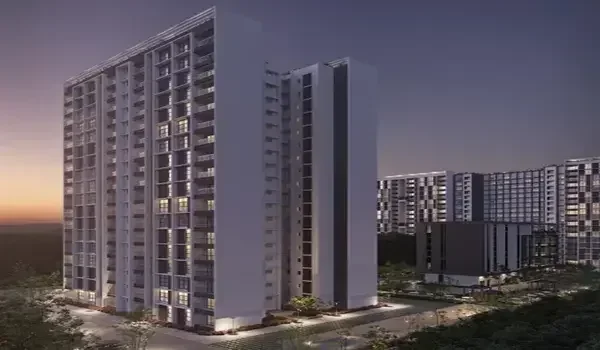
Auro Anantha uses practical safety planning across its 3.5-acre site on Delhi Public School Road in Raidurg, Hyderabad. Built by Auro Realty, the community has 2 towers rising 54 floors above 4 basement levels, with 368 spacious 4 BHK homes between 3,600 and 3,800 sq. ft.

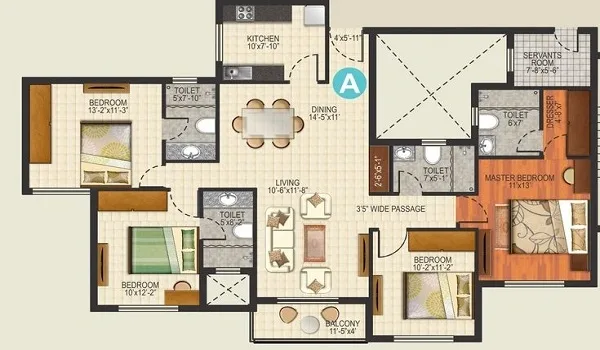
  • Low-Density Corridors: Auro Anantha builds only 3 corner flats on each floor, giving families short, private hallways with clear views outside their front door.
  • Basement-Only Car Traffic: All 4 basement levels take car parking underground, leaving the surface open, quiet, and safe for walking kids.
  • Dedicated Child Amenities: The community layout includes indoor play rooms, open green lawns, and a shallow kids' splash pool kept separate from deeper adult swimming areas.
  • Built-in Home Security: Flats come with video door phones, strong glass windows, and fast passenger lifts watched by 24/7 security cameras.

FAQs


1. How high should apartment balcony railings be for kids?

Balcony railings and parapet walls in tall buildings should stand at least 1.2 meters (48 inches) high from the floor. This height keeps the rail well above a small child's chest and stops accidental climbs.

2. Are invisible grilles strong enough to keep kids safe on balconies?

Yes, high-grade invisible grills use 2mm to 3mm thick stainless steel cables that can hold up to 300 to 400 kg of weight. They stop children from slipping through balcony bars while keeping the view clear.

3. How do car-free podiums protect children in gated societies?

Car-free podiums send all cars directly into underground basements right at the main gate. This keeps paths, lawns, and play areas free from moving cars, blind spots, and fast bikes.

4. What pool safety rules should a high-rise society follow?

Every pool must have a locked 1.2-meter fence around it, a self-closing latch, and a dedicated shallow pool for toddlers. A trained guard should always supervise the pool during open hours.

5. How does Auro Anantha keep kids safe in Raidurg?

Auro Anantha has only 3 homes per floor, short private hallways, video door phones, and four underground basements that keep cars away from surface play areas. Its spot on DPS Road also means kids have short, simple school trips.

Enquiry
Enquire Now